
Project sports turf
GAIS Football
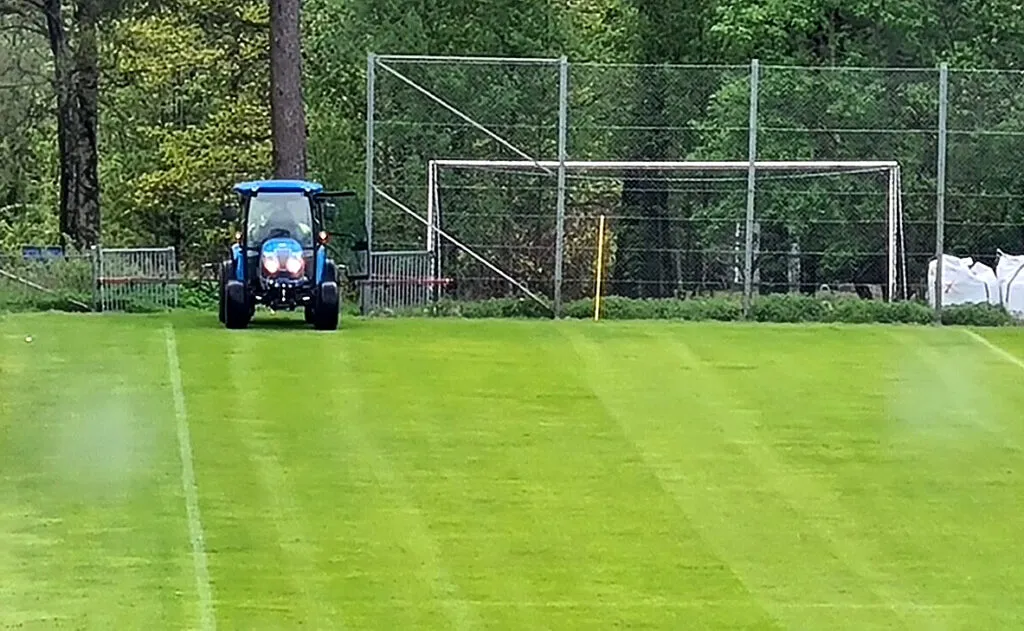
For several years, the natural grass pitch at GAIS has struggled with poor growth and disease-causing pathogens attacking the grass. With microbial treatment, we restore a healthy, resilient turf.
The challenge
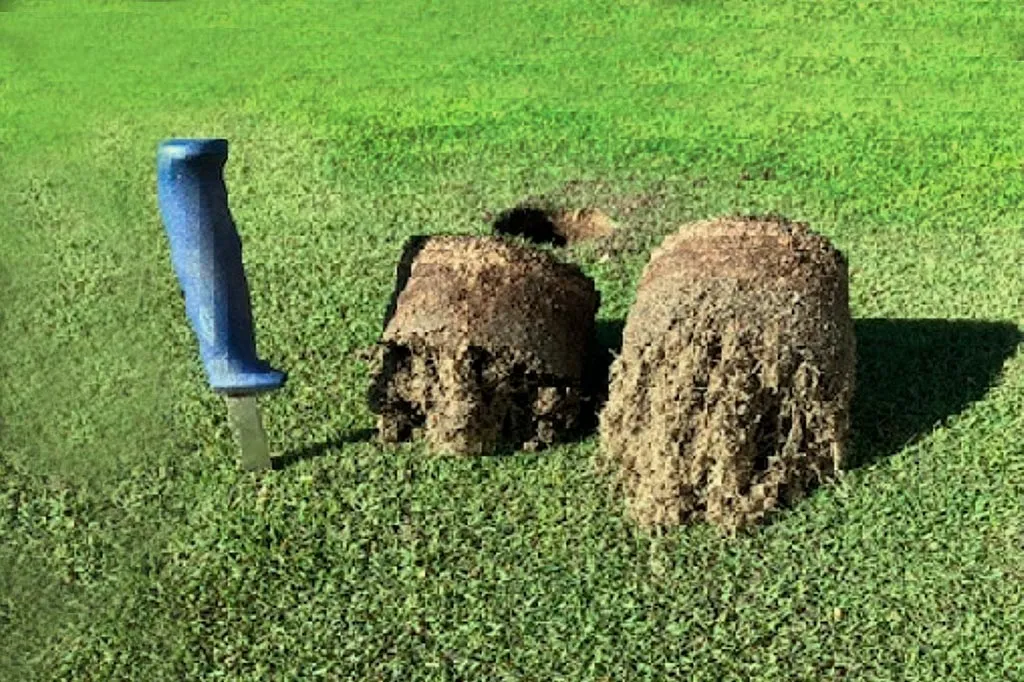
For several years, the natural grass pitch at GAIS has struggled with poor growth and disease-causing pathogens attacking the grass. A weak soil structure has made irrigation difficult. The result is a pitch that cannot withstand wear, which limits opportunities for matches and training — and, in the long run, means the pitch has to be relaid at increased cost.
The solution
In May 2021, a regenerative treatment began in which mycorrhiza and growth-promoting soil microbes were inoculated. After six weeks of treatment, growth was good and the pitch's ability to withstand wear had improved considerably.
The strategy
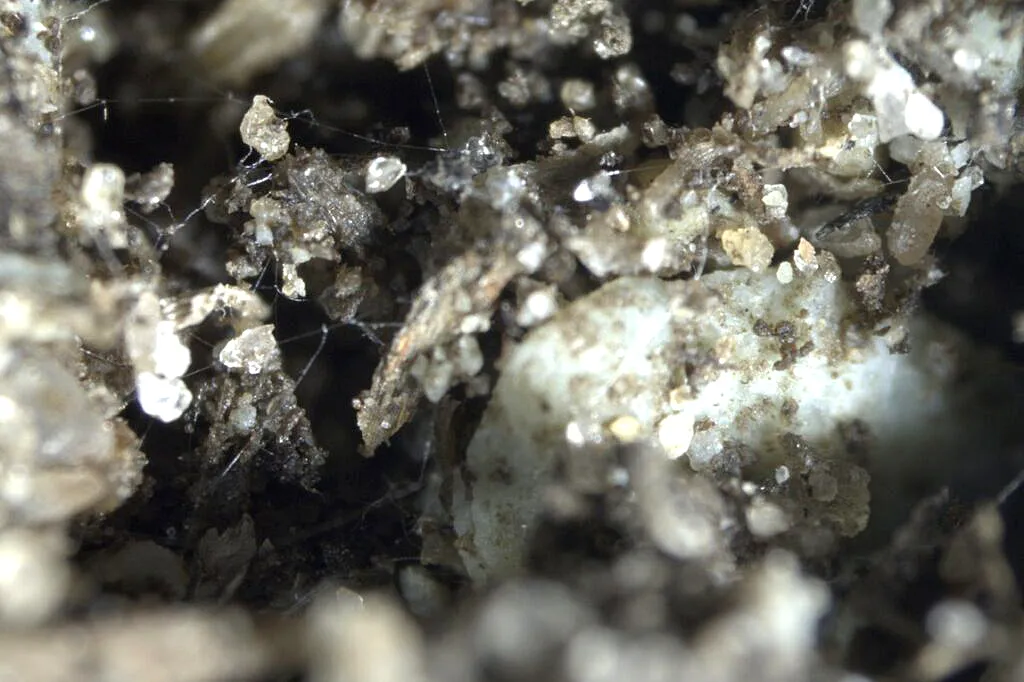
The strategy is to strengthen the ecosystem services that create good structure — a soil that can hold more water, nutrients and air. The soil microbes fix CO₂ and nitrogen, which the mycorrhiza stores in the glycoprotein glomalin, resulting in carbon and nitrogen sequestration. The natural grass pitch at GAIS has gone from being a source of CO₂ and nitrogen emissions to a surface with negative emissions.